A harmony of the four Gospels tracing the journey from Jericho to the empty tomb, with locations, teachings, and KJV references
Matthew Mark Luke John Location
The Journey Toward Jerusalem
Weeks before Passover — through Perea and Judea
The Raising of Lazarus
Bethany — about 15 furlongs (~1.9 miles) from Jerusalem (John 11:18)
Lazarus, the brother of Mary and Martha, had been dead four days when Jesus arrived. Jesus wept at the tomb, then commanded:
"Lazarus, come forth. And he that was dead came forth, bound hand and foot with graveclothes: and his face was bound about with a napkin. Jesus saith unto them, Loose him, and let him go."
John 11:43–44
Bethany (al-Eizariya) and the Temple Mount — about 1.9 miles apart, over the Mount of Olives:
This miracle was the tipping point. Many Jews believed on Jesus, but others reported it to the Pharisees. The chief priests and Pharisees convened a council and from that day "took counsel together for to put him to death" (John 11:53).
Jesus withdrew to Ephraim, a city near the wilderness, and stayed there with His disciples (John 11:54).
Ephraim (modern Taybeh) and the Temple Mount — about 13 miles northeast of Jerusalem:
As Jesus departed from Jericho, blind Bartimaeus sat by the highway begging (Mark 10:46). He cried out, "Jesus, thou Son of David, have mercy on me!" (Mark 10:47). The crowd rebuked him, but he cried louder (Mark 10:48). Jesus stopped and said:
"What wilt thou that I should do unto thee? The blind man said unto him, Lord, that I might receive my sight. And Jesus said unto him, Go thy way; thy faith hath made thee whole. And immediately he received his sight, and followed Jesus in the way."
Mark 10:51–52
Matthew records two blind men; Mark and Luke focus on Bartimaeus by name.
As Jesus entered and passed through Jericho (Luke 19:1), there was a man named Zacchaeus, "the chief among the publicans, and he was rich" (Luke 19:2). Being "little of stature," he climbed a sycamore tree to see Jesus passing through (Luke 19:3–4). Jesus looked up and called him by name:
"Zacchaeus, make haste, and come down; for to day I must abide at thy house."
Luke 19:5
The people murmured that Jesus had gone to be a guest of a "sinner." But Zacchaeus stood and pledged to give half his goods to the poor and restore fourfold anything taken by false accusation. Jesus declared:
"This day is salvation come to this house, forsomuch as he also is a son of Abraham. For the Son of man is come to seek and to save that which was lost."
Luke 19:9–10
Jericho — spoken because "they thought that the kingdom of God should immediately appear"
A nobleman went to a far country to receive a kingdom. He gave ten servants each a pound and said, "Occupy till I come." On return, the faithful servants were rewarded with authority over cities. The one who hid his pound had it taken away.
"For I say unto you, That unto every one which hath shall be given; and from him that hath not, even that he hath shall be taken away from him."
Luke 19:26
Recorded only in Luke (distinct from the Parable of the Talents in Matthew 25)
A supper was made for Jesus (John 12:2). Lazarus sat at the table with Him; Martha served. Mary took a pound of very costly ointment of spikenard and anointed Jesus's feet, wiping them with her hair (John 12:3). The house was filled with the fragrance.
Judas Iscariot objected: "Why was not this ointment sold for three hundred pence, and given to the poor?" (John 12:5). John notes: "This he said, not that he cared for the poor; but because he was a thief, and had the bag" (John 12:6).
"Let her alone: against the day of my burying hath she kept this. For the poor always ye have with you; but me ye have not always."
John 12:7–8
Meanwhile, the chief priests conspired to also put Lazarus to death, "because that by reason of him many of the Jews went away, and believed on Jesus" (John 12:10–11).
From Bethphage, over the Mount of Olives, into Jerusalem
Jesus sent two disciples to fetch a colt (a young donkey) that had never been ridden (Mark 11:2), with its mother (Matthew 21:2). He sat upon the colt and rode toward Jerusalem. The multitude spread their garments and palm branches on the road (John 12:13), crying:
"Hosanna to the Son of David: Blessed is he that cometh in the name of the Lord; Hosanna in the highest."
Matthew 21:9
This fulfilled Zechariah 9:9 — "thy King cometh unto thee, meek, and sitting upon an ass, and a colt the foal of an ass."
The Pharisees told Jesus to rebuke His disciples. He answered:
"I tell you that, if these should hold their peace, the stones would immediately cry out."
Luke 19:40
"If thou hadst known, even thou, at least in this thy day, the things which belong unto thy peace! but now they are hid from thine eyes. For the days shall come upon thee, that thine enemies shall cast a trench about thee, and compass thee round, and keep thee in on every side, and shall lay thee even with the ground, and thy children within thee; and they shall not leave in thee one stone upon another; because thou knewest not the time of thy visitation."
Luke 19:42–44
A prophecy of the destruction of Jerusalem by Rome in A.D. 70.
Mark records that Jesus entered the temple and "looked round about upon all things" — surveying the scene — but because "now the eventide was come," He went out to Bethany with the twelve (Mark 11:11).
Cursing of the fig tree and cleansing of the temple
The Barren Fig Tree Cursed
On the road from Bethany to Jerusalem
In the morning, returning to the city, Jesus was hungry. He saw a fig tree with leaves but no fruit and said:
"Let no fruit grow on thee henceforward for ever. And presently the fig tree withered away."
Matthew 21:19
Mark notes the disciples saw it withered the next morning (Tuesday). The fig tree is widely understood as a symbol of Israel — outward show of religion (leaves) but no spiritual fruit.
Jesus entered the temple and drove out the moneychangers and those selling doves, overturning their tables (Matthew 21:12):
"It is written, My house shall be called the house of prayer; but ye have made it a den of thieves."
Matthew 21:13
Mark adds: "My house shall be called of all nations the house of prayer" (Mark 11:17) — emphasizing that the Court of the Gentiles, the one place where non-Jews could worship, had been turned into a marketplace.
The blind and the lame came to Him in the temple and He healed them. Children cried "Hosanna to the Son of David" and the chief priests were "sore displeased" (Matthew 21:14–15).
The disciples saw the fig tree dried up from the roots. Jesus taught them about faith:
"Have faith in God. For verily I say unto you, That whosoever shall say unto this mountain, Be thou removed, and be thou cast into the sea; and shall not doubt in his heart, but shall believe that those things which he saith shall come to pass; he shall have whatsoever he saith."
Mark 11:22–23
The chief priests and elders challenged Jesus's authority (Matthew 21:23). He answered with a question about whether John's baptism was from heaven or of men (Matthew 21:25). They could not answer, so He said, "Neither tell I you by what authority I do these things" (Matthew 21:27).
The Two Sons — One said he would not work but repented and did; the other said he would but did not. "The publicans and the harlots go into the kingdom of God before you." (Matthew 21:28–32)
The Wicked Husbandmen — Tenants who beat the servants and killed the owner's son. "The kingdom of God shall be taken from you, and given to a nation bringing forth the fruits thereof." (Matthew 21:33–46; Mark 12:1–12; Luke 20:9–19)
The Marriage Feast — A king's invited guests refused to come; servants were sent into the highways to bring in all they could find. The man without a wedding garment was cast out. "Many are called, but few are chosen." (Matthew 22:1–14)
The Pharisees and chief priests "perceived that he spake of them" and sought to lay hands on Him, but feared the people (Luke 20:19).
Tribute to Caesar — The Pharisees and Herodians tried to trap Him. "Render therefore unto Caesar the things which are Caesar's; and unto God the things that are God's." (Matthew 22:15–22)
The Resurrection — The Sadducees (who denied the resurrection) posed a riddle about a woman married to seven brothers. Jesus answered: "God is not the God of the dead, but of the living." (Matthew 22:23–33)
The Great Commandment — A lawyer asked which was the greatest. "Thou shalt love the Lord thy God with all thy heart, and with all thy soul, and with all thy mind. This is the first and great commandment. And the second is like unto it, Thou shalt love thy neighbour as thyself." (Matthew 22:34–40)
Jesus Questions the Pharisees — "Whose Son Is He?"
Jerusalem — the Temple
Jesus asked the Pharisees: If Christ is the son of David, how does David in spirit call Him Lord?
"The LORD said unto my Lord, Sit thou on my right hand, till I make thine enemies thy footstool. If David then call him Lord, how is he his son?"
Matthew 22:44–45
"And no man was able to answer him a word, neither durst any man from that day forth ask him any more questions" (Matthew 22:46).
"Woe unto You, Scribes and Pharisees, Hypocrites!"
Jerusalem — the Temple
Jesus delivered eight pronouncements of woe against the scribes and Pharisees (Matthew 23:13–36) — the most searing public rebuke of His ministry. Among them:
"Woe unto you, scribes and Pharisees, hypocrites! for ye are like unto whited sepulchres, which indeed appear beautiful outward, but are within full of dead men's bones, and of all uncleanness."
Matthew 23:27
He concluded with a lament:
"O Jerusalem, Jerusalem, thou that killest the prophets, and stonest them which are sent unto thee, how often would I have gathered thy children together, even as a hen gathereth her chickens under her wings, and ye would not! Behold, your house is left unto you desolate."
Matthew 23:37–38
Jesus sat near the treasury and watched the people cast in their money (Mark 12:41). Many rich people cast in much. Then a poor widow cast in two mites, "which make a farthing" (Mark 12:42).
"Verily I say unto you, That this poor widow hath cast more in, than all they which have cast into the treasury: For all they did cast in of their abundance; but she of her want did cast in all that she had, even all her living."
Mark 12:43–44
Certain Greeks among those who came to worship at the feast asked Philip to introduce them to Jesus. Jesus responded with a teaching about His coming death:
"Verily, verily, I say unto you, Except a corn of wheat fall into the ground and die, it abideth alone: but if it die, it bringeth forth much fruit."
John 12:24
"And I, if I be lifted up from the earth, will draw all men unto me."
John 12:32
A voice came from heaven: "I have both glorified it, and will glorify it again." Some said it thundered; others said an angel spoke (John 12:28–29).
As they departed the temple, the disciples pointed out the temple buildings. Jesus said, "There shall not be left here one stone upon another, that shall not be thrown down" (Matthew 24:2). Sitting on the Mount of Olives, the disciples asked privately: When? And what shall be the sign?
Jesus's prophetic teachings
False Christs and wars — "the beginning of sorrows" (Matthew 24:4–8)
Persecution, betrayal, and the gospel preached to all nations (Matthew 24:9–14)
The "abomination of desolation" — flee immediately (Matthew 24:15–22)
The coming of the Son of man — visible as lightning, with angels and a great trumpet (Matthew 24:23–31)
The fig tree parable — "When ye shall see all these things, know that it is near" (Matthew 24:32–35)
"Of that day and hour knoweth no man, no, not the angels of heaven, but my Father only" (Matthew 24:36)
The Gospels record no public teaching by Jesus on this day. But Judas Iscariot went to the chief priests:
"What will ye give me, and I will deliver him unto you? And they covenanted with him for thirty pieces of silver. And from that time he sought opportunity to betray him."
Matthew 26:15–16
Luke adds that "Satan entered into Judas" (Luke 22:3). Thirty pieces of silver was the Old Testament price of a slave (Exodus 21:32), fulfilling Zechariah 11:12.
Jesus sent Peter and John to prepare the Passover meal (Luke 22:8). He told them to follow a man carrying a pitcher of water (Luke 22:10) — unusual, as women normally carried water — to a "large upper room furnished and prepared" (Mark 14:15).
Before supper, Jesus laid aside His garments, took a towel, and washed the disciples' feet. Peter objected; Jesus said:
"If I wash thee not, thou hast no part with me."
John 13:8
"If I then, your Lord and Master, have washed your feet; ye also ought to wash one another's feet. For I have given you an example, that ye should do as I have done to you."
John 13:14–15
As they ate, Jesus said, "Verily I say unto you, that one of you shall betray me." The disciples were sorrowful, each asking "Lord, is it I?" (Matthew 26:21–22).
Jesus took bread, blessed it, broke it, and gave it to the disciples (Matthew 26:26):
Jerusalem — the Upper Room (and perhaps walking toward Gethsemane)
After Judas left (John 13:30), Jesus delivered His longest recorded teaching — comfort, commandment, and promise to the eleven:
"Let not your heart be troubled: ye believe in God, believe also in me. In my Father's house are many mansions: if it were not so, I would have told you. I go to prepare a place for you."
John 14:1–2
"I am the way, the truth, and the life: no man cometh unto the Father, but by me."
John 14:6
"I am the vine, ye are the branches: He that abideth in me, and I in him, the same bringeth forth much fruit: for without me ye can do nothing."
John 15:5
"Greater love hath no man than this, that a man lay down his life for his friends."
John 15:13
Key teachings in the farewell discourse
The promise of the Comforter (the Holy Ghost) — John 14:16–17, 26; 16:7–14
"Peace I leave with you, my peace I give unto you: not as the world giveth" — John 14:27
The commandment to love one another — John 15:12, 17
The world will hate them as it hated Him — John 15:18–25
"In the world ye shall have tribulation: but be of good cheer; I have overcome the world" — John 16:33
"And this is life eternal, that they might know thee the only true God, and Jesus Christ, whom thou hast sent."
John 17:3
"Neither pray I for these alone, but for them also which shall believe on me through their word; That they all may be one; as thou, Father, art in me, and I in thee, that they also may be one in us."
John 17:20–21
Garden of Gethsemane, at the foot of the Mount of Olives
Jesus took Peter, James, and John further into the garden (Matthew 26:37). He told them, "My soul is exceeding sorrowful, even unto death: tarry ye here, and watch with me" (Matthew 26:38).
He went a little farther, fell on His face, and prayed:
"O my Father, if it be possible, let this cup pass from me: nevertheless not as I will, but as thou wilt."
Matthew 26:39
He prayed three times. Each time He returned to find the disciples sleeping. Luke alone records:
"And being in an agony he prayed more earnestly: and his sweat was as it were great drops of blood falling down to the ground."
Luke 22:44
Luke also notes: "And there appeared an angel unto him from heaven, strengthening him" (Luke 22:43).
Judas arrived with a great multitude armed with swords and staves, from the chief priests and elders (Matthew 26:47). The signal was a kiss (Matthew 26:48):
"And forthwith he came to Jesus, and said, Hail, master; and kissed him. And Jesus said unto him, Friend, wherefore art thou come?"
Matthew 26:49–50
Peter drew his sword and cut off the ear of Malchus, the high priest's servant. Jesus healed the ear (Luke 22:51) and said:
"Put up again thy sword into his place: for all they that take the sword shall perish with the sword. Thinkest thou that I cannot now pray to my Father, and he shall presently give me more than twelve legions of angels?"
Matthew 26:52–53
John records that when Jesus said "I am he," the soldiers "went backward, and fell to the ground" (John 18:6). Then "all the disciples forsook him, and fled" (Matthew 26:56). Mark notes a young man (likely Mark himself) who fled naked, leaving his linen cloth behind (Mark 14:51–52).
Jerusalem — the house of Annas, father-in-law of Caiaphas
Jesus was taken first to Annas, the former high priest who still wielded power. Annas questioned Him about His disciples and doctrine. Jesus answered:
"I spake openly to the world; I ever taught in the synagogue, and in the temple, whither the Jews always resort; and in secret have I said nothing. Why askest thou me? ask them which heard me, what I have said unto them."
John 18:20–21
An officer struck Jesus for this answer. Annas sent Him bound to Caiaphas.
Jerusalem — the palace of Caiaphas the high priest
The chief priests sought false witness against Jesus but found none that agreed. Finally the high priest asked directly:
"I adjure thee by the living God, that thou tell us whether thou be the Christ, the Son of God. Jesus saith unto him, Thou hast said: nevertheless I say unto you, Hereafter shall ye see the Son of man sitting on the right hand of power, and coming in the clouds of heaven."
Matthew 26:63–64
The high priest tore his clothes: "He hath spoken blasphemy!" They condemned Him, spat in His face, blindfolded Him, and struck Him, saying, "Prophesy unto us, thou Christ, Who is he that smote thee?" (Matthew 26:67–68).
Jerusalem — the courtyard of the high priest's palace
While Jesus was tried inside, Peter sat outside in the courtyard, warming himself by the fire. Three times he was identified as one of Jesus's followers. Three times he denied it, the third time with cursing and swearing:
"I know not the man. And immediately the cock crew. And Peter remembered the word of Jesus, which said unto him, Before the cock crow, thou shalt deny me thrice. And he went out, and wept bitterly."
Matthew 26:74–75
Luke alone records: "And the Lord turned, and looked upon Peter" (Luke 22:61).
When Judas saw that Jesus was condemned, he repented and brought the thirty pieces of silver back to the chief priests:
"I have sinned in that I have betrayed the innocent blood. And they said, What is that to us? see thou to that. And he cast down the pieces of silver in the temple, and departed, and went and hanged himself."
Matthew 27:4–5
The priests used the money to buy the potter's field as a burial place for strangers, fulfilling Zechariah 11:12–13 and Jeremiah 32:6–9.
Jerusalem — the Praetorium (Pilate's judgment hall)
Early in the morning, the Sanhedrin delivered Jesus to Pontius Pilate, the Roman governor (Matthew 27:1–2). The Jews would not enter the Praetorium "lest they should be defiled" before Passover (John 18:28) — an irony, since they were about to murder the Lamb of God.
Pilate asked, "Art thou the King of the Jews?" Jesus answered:
"My kingdom is not of this world: if my kingdom were of this world, then would my servants fight, that I should not be delivered to the Jews: but now is my kingdom not from hence."
John 18:36
"To this end was I born, and for this cause came I into the world, that I should bear witness unto the truth. Every one that is of the truth heareth my voice. Pilate saith unto him, What is truth?"
John 18:37–38
Pilate found no fault in Him and sent Him to Herod.
Herod was "exceeding glad" to see Jesus, hoping to witness a miracle (Luke 23:8). He questioned Jesus at length, but Jesus "answered him nothing" (Luke 23:9). Herod and his soldiers mocked Him, "arrayed him in a gorgeous robe," and sent Him back to Pilate (Luke 23:11).
"And the same day Pilate and Herod were made friends together: for before they were at enmity between themselves" (Luke 23:12).
Pilate offered to release Jesus according to the Passover custom. The crowd, stirred up by the chief priests, demanded Barabbas (a murderer and insurrectionist) instead.
"Pilate saith unto them, What shall I do then with Jesus which is called Christ? They all say unto him, Let him be crucified."
Matthew 27:22
Pilate's wife sent word: "Have thou nothing to do with that just man: for I have suffered many things this day in a dream because of him" (Matthew 27:19).
Pilate washed his hands before the multitude: "I am innocent of the blood of this just person: see ye to it." The people answered: "His blood be on us, and on our children" (Matthew 27:24–25).
Jesus was scourged, crowned with thorns, robed in purple, and mocked: "Hail, King of the Jews!" Pilate brought Him out and said:
Jesus bore His own cross (John 19:17), but they compelled Simon of Cyrene to carry it for Him (Matthew 27:32). A great company of women followed, "which also bewailed and lamented him" (Luke 23:27). Jesus turned to them:
"Daughters of Jerusalem, weep not for me, but weep for yourselves, and for your children."
Luke 23:28
Golgotha ("the place of a skull") — outside the city walls
They crucified Jesus at the third hour (9 a.m., Mark 15:25) between two thieves (Matthew 27:38). Pilate wrote the title: "JESUS OF NAZARETH THE KING OF THE JEWS" in Hebrew, Greek, and Latin (John 19:19–20).
The Seven Sayings from the Cross
1. "Father, forgive them; for they know not what they do." — Luke 23:34
2. To the penitent thief: "Verily I say unto thee, To day shalt thou be with me in paradise." — Luke 23:43
3. To Mary and John: "Woman, behold thy son! ... Behold thy mother!" — John 19:26–27
7. "Father, into thy hands I commend my spirit." — Luke 23:46
The soldiers cast lots for His garments (John 19:23–24), fulfilling Psalm 22:18. Passersby mocked: "If thou be the Son of God, come down from the cross" (Matthew 27:40).
The soldiers broke the legs of the two thieves but not of Jesus (He was already dead), fulfilling "a bone of him shall not be broken" (John 19:36; Psalm 34:20). A soldier pierced His side, "and forthwith came there out blood and water" (John 19:34).
A new tomb in a garden near Golgotha, belonging to Joseph of Arimathaea
Joseph of Arimathaea, "a rich man" and secret disciple (Matthew 27:57; John 19:38), went to Pilate and begged the body of Jesus (Matthew 27:58). Nicodemus, who had come to Jesus by night (John 3:1–2), brought "a mixture of myrrh and aloes, about an hundred pound weight" (John 19:39). They wrapped the body in linen and laid it in a new sepulchre hewn in rock (Matthew 27:59–60).
"And there was Mary Magdalene, and the other Mary, sitting over against the sepulchre."
Matthew 27:61
The next day (Saturday), the Pharisees asked Pilate to set a guard and seal the stone, "lest his disciples come by night, and steal him away" (Matthew 27:64).
Jerusalem — the sealed tomb, guarded by Roman soldiers
The Gospels record almost nothing of this day. The disciples were scattered. The women rested "according to the commandment" (Luke 23:56). The body of Jesus lay in the tomb.
The chief priests and Pharisees secured the tomb with Pilate's permission: "So they went, and made the sepulchre sure, sealing the stone, and setting a watch" (Matthew 27:66).
Very early in the morning, the women came to the sepulchre bringing spices (Mark 16:1; Luke 24:1). There was a great earthquake; an angel rolled back the stone (Matthew 28:2). The guards became "as dead men" (Matthew 28:4).
"He is not here: for he is risen, as he said. Come, see the place where the Lord lay."
Matthew 28:6
The women ran to tell the disciples (Matthew 28:8). Peter and John ran to the tomb (John 20:3–4). John outran Peter and looked in first but did not enter (John 20:5). Peter went in and saw the linen clothes and the napkin that had been about His head, "wrapped together in a place by itself" (John 20:7).
"Woman, Why Weepest Thou?" — Jesus Appears to Mary Magdalene
The garden, near the tomb
Mary Magdalene remained at the tomb weeping (John 20:11). She saw two angels (John 20:12), then turned and saw Jesus — but did not recognize Him at first (John 20:14). He spoke one word:
"Jesus saith unto her, Mary. She turned herself, and saith unto him, Rabboni; which is to say, Master."
John 20:16
"Jesus saith unto her, Touch me not; for I am not yet ascended to my Father: but go to my brethren, and say unto them, I ascend unto my Father, and your Father; and to my God, and your God."
John 20:17
Two disciples walked to Emmaus, "which was from Jerusalem about threescore furlongs" (Luke 24:13). Jesus drew near and walked with them, "but their eyes were holden that they should not know him" (Luke 24:16).
He expounded the scriptures to them, beginning at Moses and all the prophets, explaining "the things concerning himself" (Luke 24:27). When they arrived and sat to eat:
"He took bread, and blessed it, and brake, and gave to them. And their eyes were opened, and they knew him; and he vanished out of their sight."
Luke 24:30–31
"Did not our heart burn within us, while he talked with us by the way, and while he opened to us the scriptures?"
Luke 24:32
Recorded only in Luke (Mark 16:12 gives a brief mention)
He showed them His hands and His side (John 20:20). He breathed on them and said, "Receive ye the Holy Ghost" (John 20:22). He opened their understanding of the scriptures: "Thus it is written, and thus it behoved Christ to suffer, and to rise from the dead the third day" (Luke 24:46).
Thomas was not present and later said:
"Except I shall see in his hands the print of the nails, and put my finger into the print of the nails, and thrust my hand into his side, I will not believe."
John 20:25
Eight days later, the disciples were again gathered, and this time Thomas was with them (John 20:26). Jesus appeared again and said to Thomas:
"Reach hither thy finger, and behold my hands; and reach hither thy hand, and thrust it into my side: and be not faithless, but believing. And Thomas answered and said unto him, My Lord and my God. Jesus saith unto him, Thomas, because thou hast seen me, thou hast believed: blessed are they that have not seen, and yet have believed."
John 20:27–29
Note on chronology: The exact day-by-day placement of some events is debated among scholars. This harmony follows the most widely accepted traditional chronology, placing the Triumphal Entry on Sunday, the cleansing of the Temple on Monday, the great day of teaching and controversy on Tuesday, and the Last Supper on Thursday evening. John's Gospel provides unique material not found in the Synoptics (Matthew, Mark, Luke), especially the farewell discourse (John 14–17) and details of the trials and resurrection appearances.
The Patriarchs
Ages and timelines of Abraham, Sarah, Isaac, Jacob, Rachel, and Joseph
Ages marked with ~ are calculated from cross-referencing multiple passages rather than being stated directly. Rachel's age is estimated — the Bible does not give it directly.
April 2026 General Conference
The Church of Jesus Christ of Latter-day Saints — April 4–5, 2026 (Easter Weekend) Conference Center, Temple Square, Salt Lake City
Solemn Assembly: President Dallin H. Oaks was sustained as the 18th President of the Church during the Saturday morning session. Elders Clark G. Gilbert and Gérald Caussé were sustained as members of the Quorum of the Twelve Apostles. A new Primary General Presidency was sustained: Rosemary K. Chibota (President), Nina M. Garfield (First Counselor), and Theresa A. Collins (Second Counselor), effective August 1, 2026.
President Dieter F. Uchtdorf (age 85) — Second Counselor in the First Presidency
Weeping May Endure for a Night
Elder Ronald A. Rasband (age 75) — Quorum of the Twelve Apostles
"Weeping may endure for a night, but joy cometh in the morning."
Psalm 30:5
Not All Matters Are of Equal Value
Elder Dale G. Renlund (age 73) — Quorum of the Twelve Apostles
"Jesus Christ conquered death. He literally rose from the tomb. Death isn't the end, because the spirit and the body will be reunited never to be separated again."
Elder Dale G. Renlund
There is no scarlet letter to wear, now or in the eternities. He pardons us from deserved punishment. The Lord remembers our sins no more:
"Behold, he who has repented of his sins, the same is forgiven, and I, the Lord, remember them no more."
D&C 58:42
Our sins are nailed to the cross (referencing the hymn "Upon the Cross of Calvary"). He will consecrate our afflictions for our gain:
"Nevertheless, Jacob, my firstborn in the wilderness, thou knowest the greatness of God; and he shall consecrate thine afflictions for thy gain."
2 Nephi 2:2
Elder Renlund shared a story about his toy poodle named Lady, who tried to follow two different balls at the same time and got confused — illustrating the danger of trying to pursue competing priorities. He counseled: Reflect every day on the blessings you receive every day from Him.
Christ Is Risen — Truly, He Is Risen
Elder Thierry K. Mutombo (age 50) — General Authority Seventy (from Kinshasa, Democratic Republic of the Congo)
Elder Mutombo spoke of a Christian tradition: one person greets another with "Christ is risen," and the person receiving the greeting responds, "Truly, He is risen."
He shared a deeply personal experience: he and his wife lost four of their children. When another child died, local tradition held that a couple who lost so many children needed to separate. Without his input, family members asked him to remove his wife's belongings from their home. He went inside and prayed, then came out empty-handed and explained that he was going to remain with his wife. They opposed his decision, but he was strengthened by the Lord.
Elder Alan R. Walker (age 55) — General Authority Seventy (from Buenos Aires, Argentina)
President Dallin H. Oaks (age 93) — President of the Church
Forgo contention. Avoid what is harsh and hateful. Forgo harsh and hurtful words in all our conversations.
Note: Sunday session details are still being published. This page will be updated with the complete speaker list and talk titles after the conference concludes. Visit churchofjesuschrist.org for the latest.
Sunday Afternoon Session
April 5, 2026 — 2:00 p.m. MDT
Note: Sunday afternoon session details will be added after the session concludes.
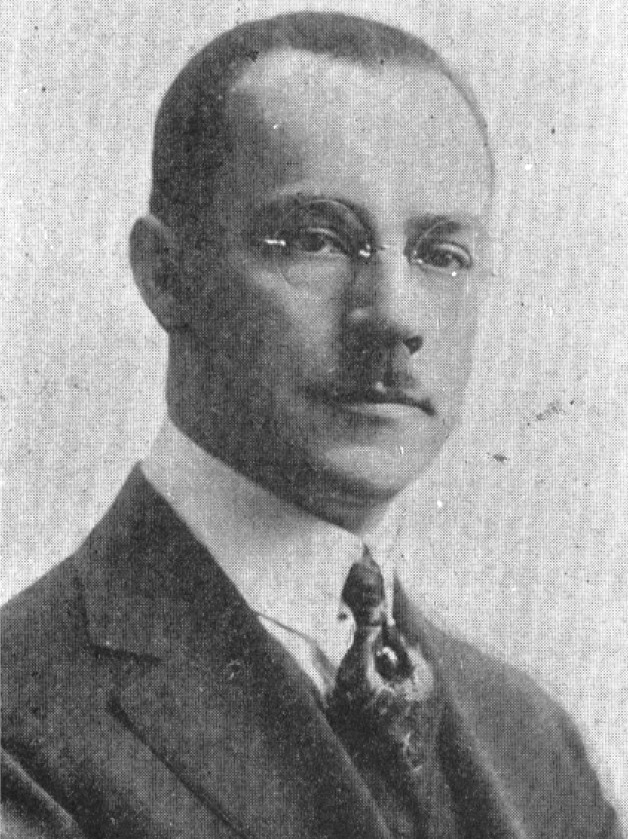
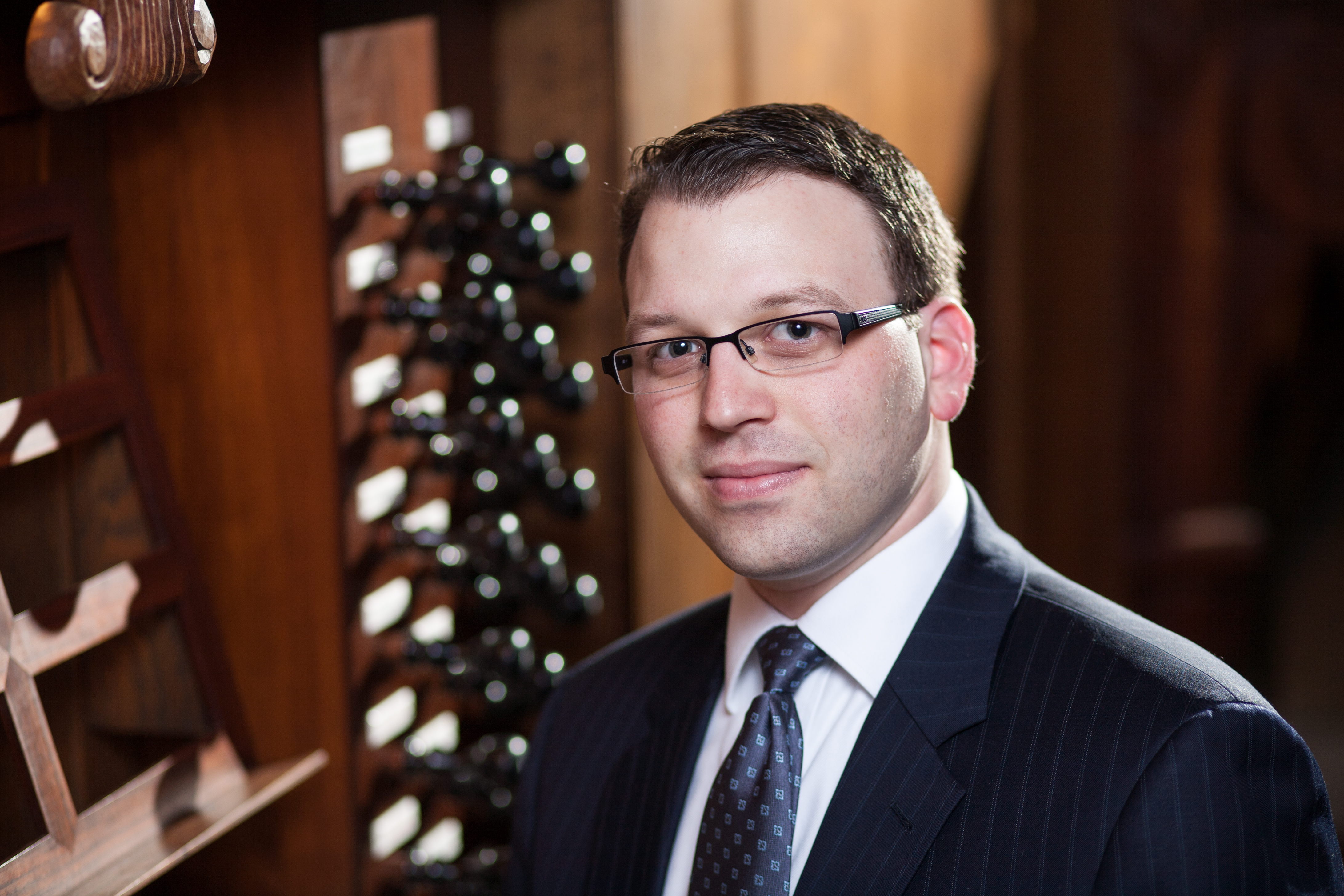
Tabernacle Organists at Temple Square
The Church of Jesus Christ of Latter-day Saints — Sorted by oldest age at last General Conference
Photo
Name ▲▼
Born ▲▼
Age ▲▼
Service Period ▲▼
Yrs of Service ▲▼
Oldest Age at Last GC ▲▼
Status ▲▼
Linda Margetts
1948
78current age
1984–present
42
78
Active
Frank W. Asper
1892
81died 1973
1922–1969
47
77
Deceased
Alexander Schreiner
1901
86died 1987
1924–1977
53
76
Deceased
Bonnie Goodliffe
1943
83current age
1979–2019
40
76
Retired
Richard Elliott
1957
69current age
1991–present
35
69
Active (Principal)
Clay Christiansen
1949
77current age
1982–2018
36
69
Retired
—
John Longhurst
1940
86current age
1977–2007
30
67
Retired
—
Roy M. Darley
1918
85died 2003
1947–1984
37
66
Deceased
Robert M. Cundick
1926
89died 2016
1965–1991
26
65
Deceased
Andrew E. Unsworth
1970
55current age
2007–present
19
56
Active
Edward P. Kimball
1882
55died 1937
1905–1937
32
55
Deceased
Tracy Y. Cannon
1879
82died 1961
1909–1930
21
51
Deceased
John J. McClellan
1874
51died 1925
1900–1925
25
51
Deceased
Joseph J. Daynes
1851
69died 1920
1867–1900
33
49
Deceased
Brian Mathias
~1983
~43current age
2018–present
8
~43
Active
—
Wade N. Stephens
~1908
~76died ~1984
1933–1944
11
~36
Deceased
—
Katherine Romney Stewart
1875
73died 1948
1900
<1
~25
Deceased
—
Walter J. Poulton
~1884
~55died ~1939
1907–1908
1
~24
Deceased
—
Moroni B. Gillespie
~1891
?died ?
1911
<1
~20
Deceased
Joseph Peeples
?
?current age
2019–present
7
?
Active
Click any column header to sort. Green rows = currently active organists. Ages are approximate where birth years are uncertain (~).
40 Years of Wandering
Approximate locations of the Children of Israel from the Exodus to the plains of Moab — with estimated time at each major camp
The Big Picture
The 40 years from Exodus to the plains of Moab break roughly into three periods:
The Journey to Sinai (~3 months) — From Egypt across the Red Sea to Mount Sinai. Fast moving with miraculous provisions.
At Mount Sinai (~11 months) — The longest single camp. Israel received the Law, built the Tabernacle, and was organized as a nation.
Wilderness wandering (~38 years) — After refusing to enter Canaan from Kadesh-barnea (Numbers 14:33-34), the generation wandered until they died off. Most of this time centered around Kadesh-barnea.
Final approach (Year 40) — Through Edom and Moab to the plains opposite Jericho. Aaron and Moses both died during this final year.
Journey Timeline & Distances
All dates are relative to leaving Egypt at Passover (the Exodus, traditionally dated ~1446 BC using the 1 Kings 6:1 480-year anchor; some scholars favor a later date around 1290–1260 BC). The journey began on Year 1, Month 1, Day 15 — the day after Passover (Numbers 33:3).
~675+ mi actual walking; likely 1,000–1,500 mi total over 40 years (42 camps in Numbers 33)
Numbers 33 lists 42 named camps total — this table shows 17 major stops. Many wilderness camps cannot be precisely identified today; coordinates and distances are scholarly estimates. Mileages are straight-line ("as the crow flies") between approximate coordinates.
40 Years
"After the number of the days in which ye searched the land, even forty days, each day for a year, shall ye bear your iniquities, even forty years, and ye shall know my breach of promise."
Numbers 14:34
Insight: Joseph Smith Translation of Numbers 22:20
At the Plains of Moab (camp #16), King Balak hires the prophet Balaam to curse Israel. Joseph Smith's translation of Numbers 22:20 adds two words that change the meaning:
KJV: "And God came unto Balaam at night, and said unto him, If the men come to call thee, rise up, and go with them; but yet the word which I shall say unto thee, that shalt thou do."
Numbers 22:20
JST: "And God came unto Balaam at night, and said unto him, If the men come to call thee, rise up, if thou wilt go with them; but yet the word which I shall say unto thee, that shalt thou do."
JST Numbers 22:20